DISCOVER THE WORLD
The seven continents for travel are Asia, Africa, North America, South America, Antarctica, Europe, and Australia (or Oceania). Each offers different travel experiences, from the diverse cultures and landscapes of Asia and Africa to the extensive public transport in Europe and the unique ecosystems of Antarctica.

Asia includes 50 countries, and it is the most populated continent. More than 60% of the total population of the Earth lives here.
Asia can be divided into several travel regions, including East Asia, Southeast Asia, South Asia, West Asia, and Central Asia, with North Asia often considered separately. Each region offers distinct travel experiences, from the modern cities of East Asia to the tropical islands of Southeast Asia and the mountain landscapes of South Asia.

EAST ASIA
Features highly developed cities and rich cultures, including China, Japan, South Korea, and Taiwan.

SOUTHEAST ASIA
Known for its diverse landscapes, from the beaches of the Philippines and Thailand to the rice paddies of Vietnam and the islands of Indonesia.

SOUTH ASIA
Includes a mix of towering mountains like the Himalayas in Nepal, bustling cities like Jaipur in India, and island nations such as Sri Lanka and the Maldives.

WEST ASIA
Often includes countries with ancient historical sites, like Petra in Jordan, and oil-rich nations.

CENTRAL ASIA
Characterized by its Silk Road history and diverse landscapes, with countries like Uzbekistan being key destinations.

NORTH ASIA
Primarily consists of Siberia, which is part of Russia.

Europe comprises 51 countries. It is the most economically developed continent, with the European Union as the biggest economic and political union in the world.
Europe can be divided into several travel regions, broadly categorized by geographical location, such as Eastern, Southern, Western, and Northern Europe. Other popular regional groupings include the Alps, Balkans, Baltic States, and the Mediterranean.

EASTERN EUROPE
Includes countries like Poland, Czechia, Hungary, and Romania, known for cities like Prague and Budapest.

SOUTHERN EUROPE
Features Mediterranean countries such as Italy, Spain, and Greece, with popular destinations like Rome, Barcelona, and the Greek islands.

WESTERN EUROPE
Encompasses countries like France, Germany, and the UK, with major cities like Paris, Berlin, and London.

NORTHERN EUROPE
Includes Scandinavia and the British Isles, with destinations such as Stockholm, Copenhagen, and the Scottish Highlands.
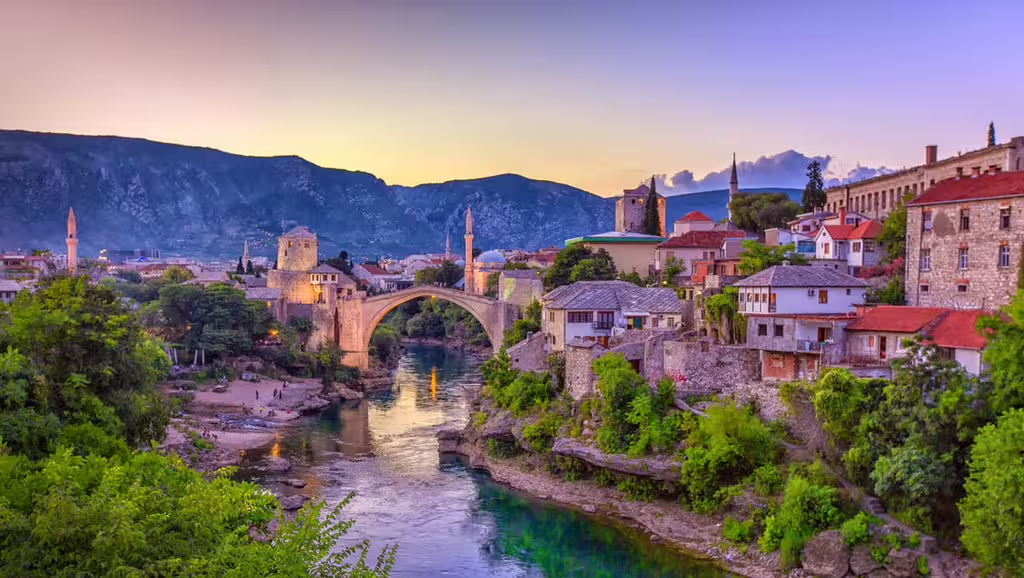
SPECIFIC EUROPE
Sometimes used as a specific category:

Africa comprises 54 countries. It is the hottest continent and home to the world's largest desert, the Sahara, occupying 25% of the total area of Africa.
Africa can be divided into five main travel regions: North, East, Southern, West, and Central Africa, each offering diverse experiences from deserts and ancient cities to safaris and beaches. Popular destinations include iconic safari spots like the Serengeti in Tanzania and the Masai Mara in Kenya, cultural hubs such as Morocco and Egypt, vibrant cities like Cape Town and Nairobi, and stunning islands like the Seychelles and Zanzibar.

NORTH AFRICA
Features ancient history, the Sahara Desert, and a blend of Arabic and Berber cultures. Destinations include Egypt (Pyramids, Luxor) and Morocco (Marrakech, Sahara Dunes).
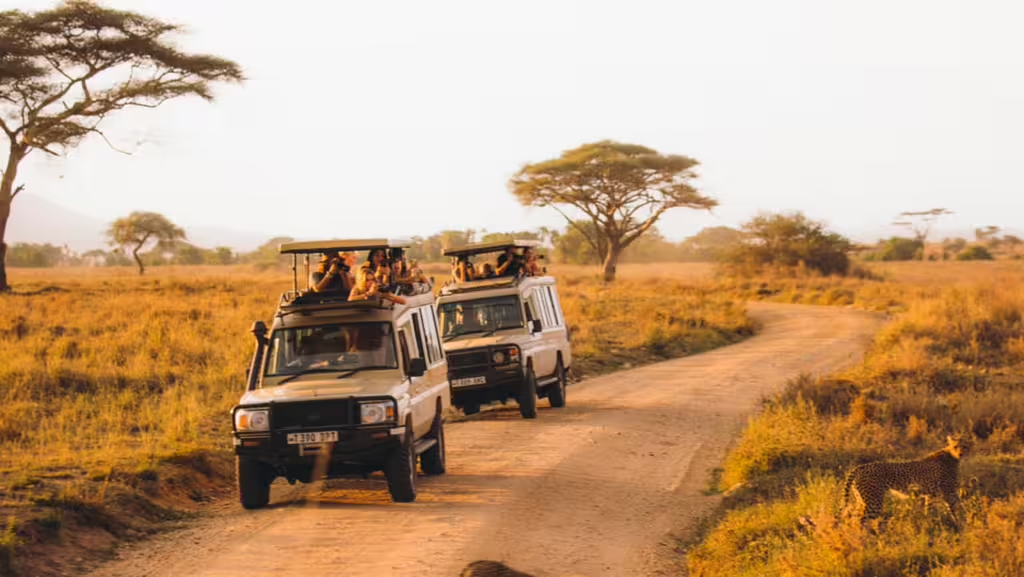
EAST AFRICA
Known for its incredible wildlife safaris, including the Great Migration, and diverse landscapes. Key spots are Tanzania (Serengeti, Mount Kilimanjaro, Zanzibar), Kenya (Masai Mara), and Rwanda (gorilla trekking).
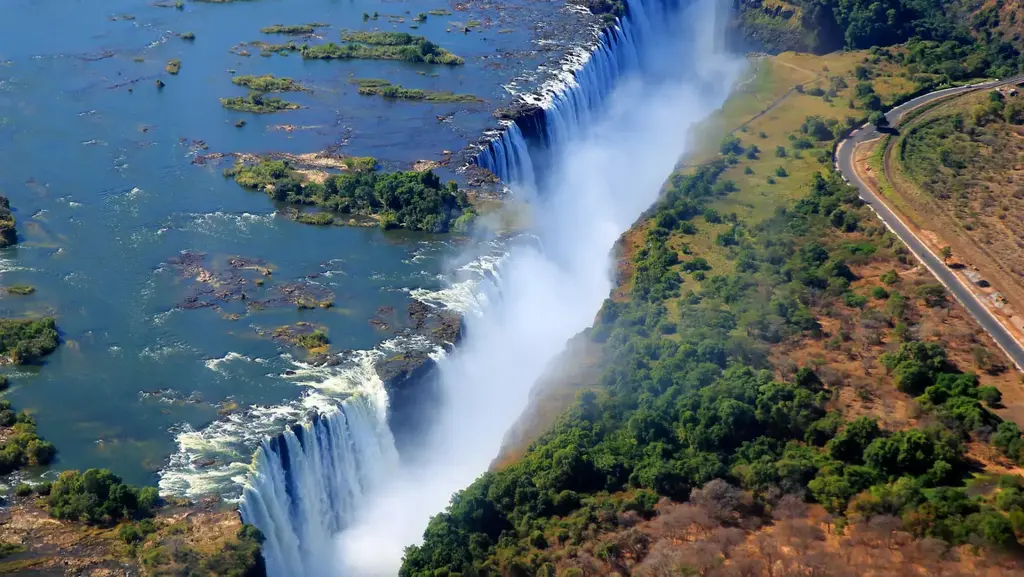
SOUTHERN AFRICA
Offers a wide range of experiences, from the wildlife of Kruger National Park in South Africa and Botswana's Okavango Delta to the natural wonder of Victoria Falls (Zimbabwe/Zambia) and the unique landscapes of Namibia.
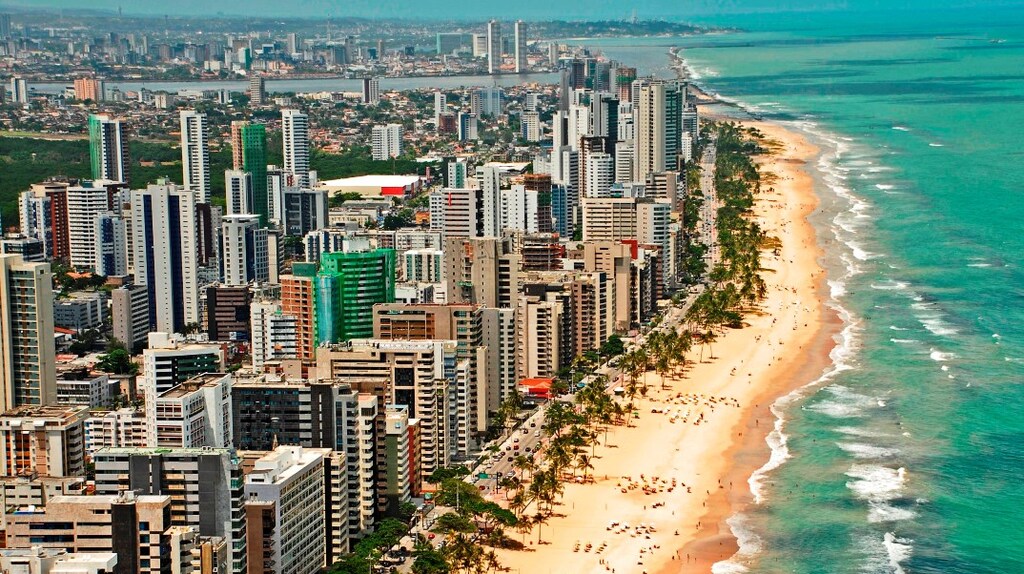
WEST AFRICA
Includes countries like Ghana and Ivory Coast, known for their rich history, bustling markets, and diverse cultural experiences.

CENTRAL AFRICA
Features rainforests and unique wildlife, though it is a less common tourist region. Destinations include the Democratic Republic of Congo and Cameroon.

Australia includes 14 countries. It is the least populated continent after Antarctica. Only 0.2% of the Earth's total population lives here.
Australia's travel regions can be broadly categorized by its states and territories, including New South Wales, Queensland, Victoria, Western Australia, South Australia, Tasmania, and the Northern Territory. Each region offers distinct attractions, from city life and beaches in New South Wales and Queensland to the Outback in the Northern Territory and natural beauty in Tasmania.

NEW SOUTH WALES
Known for iconic cities like Sydney and landmarks like the Sydney Opera House and Bondi Beach. Other regions include the Blue Mountains and the Hunter Valley.

QUEENSLAND
Features the Great Barrier Reef and the Daintree Rainforest in the north, as well as the popular coastal cities and beaches of Brisbane and the Gold Coast.

VICTORIA
Includes the cultural hub of Melbourne and regions like the Great Ocean Road, Yarra Valley, and the Dandenong Ranges.

WESTERN AUSTRALIA
Known for the capital city of Perth, pristine coastlines like Esperance, and vast landscapes such as Australia's Coral Coast and Golden Outback.

SOUTH AUSTRALIA
Home to Adelaide and the Barossa Valley wine region. Kangaroo Island is another popular destination within this state.

TASMANIA
An island state famous for its rugged natural landscapes, including Cradle Mountain.

NORTHERN TERRITORY
This vast region is renowned for its Outback desert landscapes, including Uluru (Ayers Rock), Kata Tjuta, and Kakadu National Park.
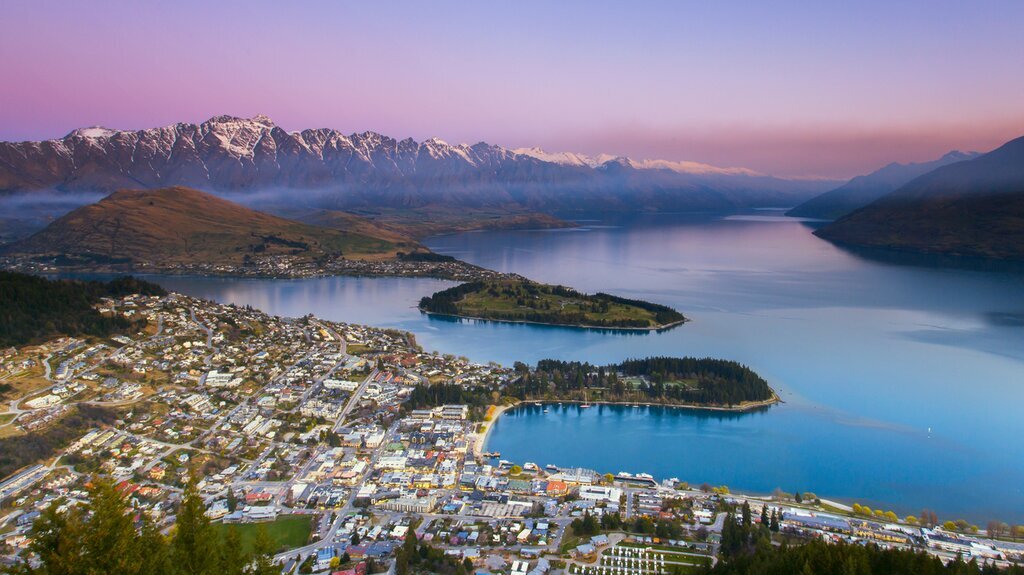
NEW ZEALAND
Popular areas are the North and South Islands, known for outdoor adventures in Queenstown, Milford Sound, Rotorua, and national parks like Fiordland and Abel Tasman.

North America includes 23 countries, led by the United States, the largest economy in the world. South America comprises 12 countries. Here is located the largest forest, the Amazon rainforest, which covers 30% of South America's total area.
The Americas can be divided into several major travel regions: North America, Central America, the Caribbean, and South America. Within these broad regions, individual countries can be further broken down, for example, the United States is often divided into five regions: the Northeast, Southeast, Midwest, Southwest, and West.

NORTH AMERICA
North America: Includes Canada, the United States (Northeast, Southeast, Midwest, Southwest, and West), and Mexico.

CENTRAL AMERICA
Includes countries like Costa Rica, Panama, Guatemala, Belize, and Honduras.
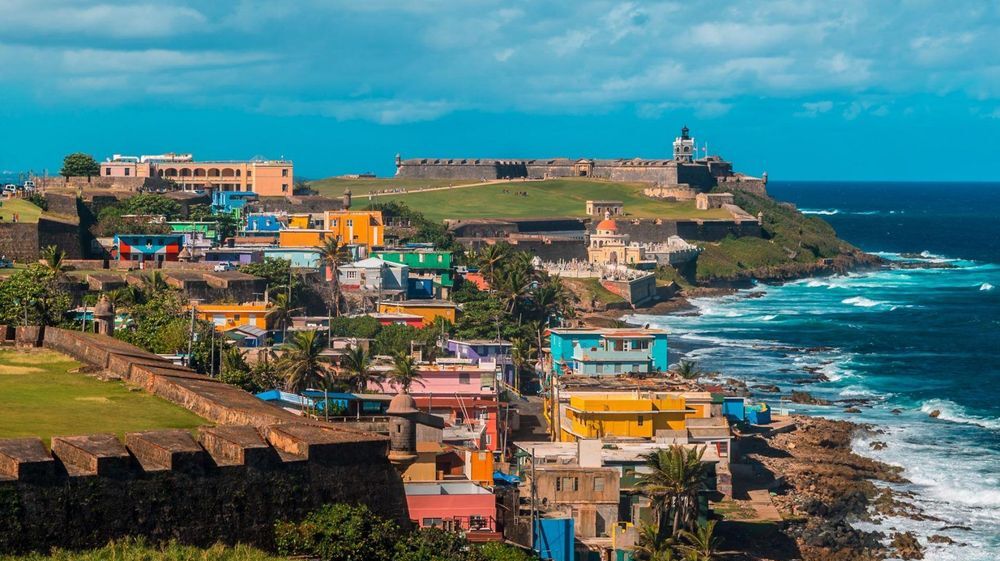
THE CARIBBEAN
Consists of the island nations and territories in the Caribbean Sea, such as Puerto Rico, the Dominican Republic, and Cuba.

SOUTH AMERICA
Includes countries like Peru, Colombia, Chile, Argentina, and Brazil.

Transcontinental or intercontinental states are sovereign states that have some portion of their territory geographically divided between at least two continents.
Transcontinental destinations are a broad term that can refer to cities, countries, or regions that span two or more continents, such as Istanbul (Europe/Asia) or Egypt (Africa/Asia)

TURKEY
This country is a prime example, located on both the European and Asian sides of the Bosphorus Strait.
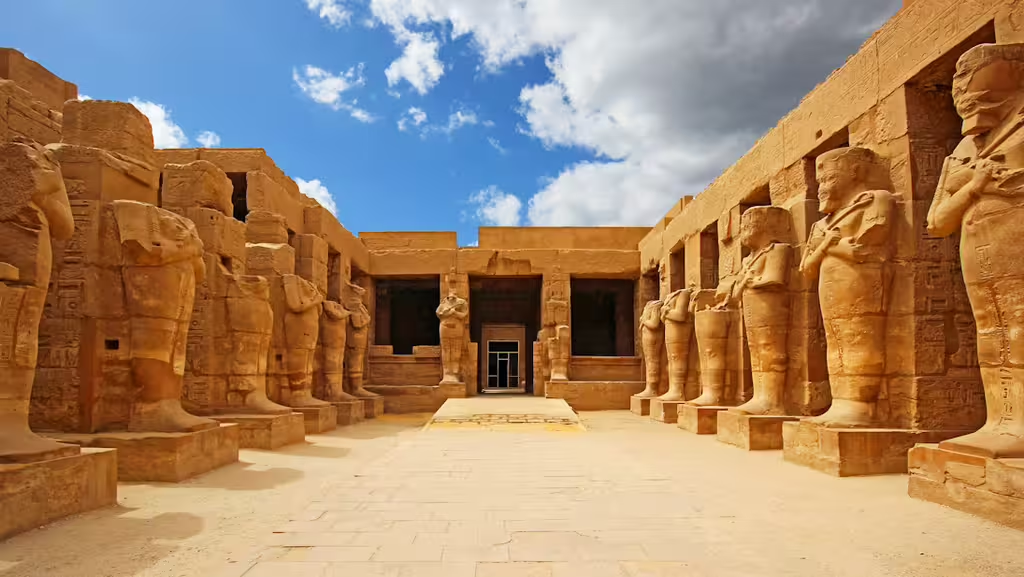
EGYPT
The country is split between Africa and Asia, with the Suez Canal marking the boundary between the continents.

PANAMA
This country is situated on both North and South America.
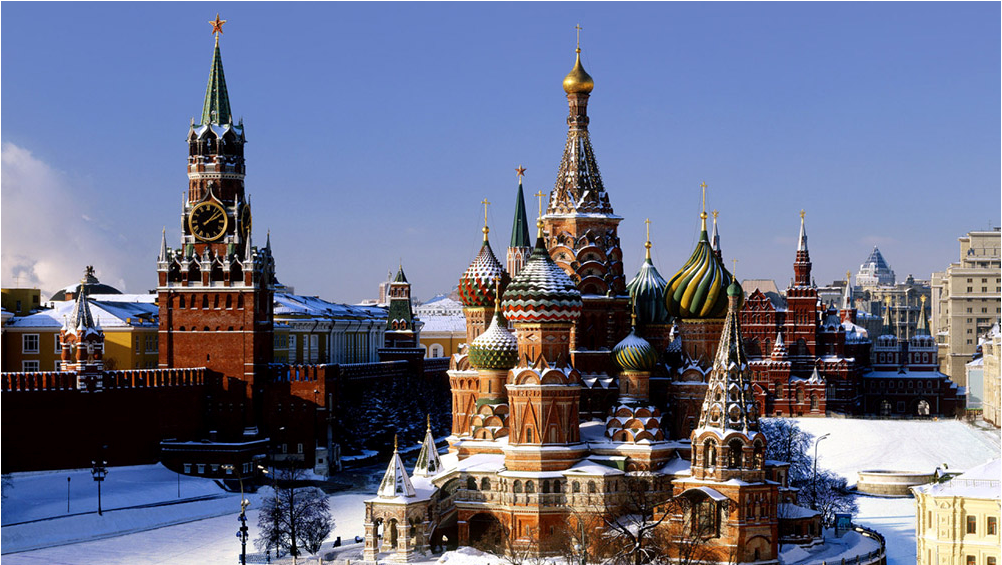
RUSSIA
Spanning Eastern Europe and Northern Asia, most of its population lives in the European part.

KAZAKHSTAN
Mostly in Central Asia, a portion of the country extends into Eastern Europe across the Ural River.
